In Vitro Endocrine Disruption Assays
Expedite drug development with reliable, human-relevant results from our dermal and ocular safety assays.
Featured assays
Thyroid Hormone Disruption - Indirect (T4 Glucuronidation)
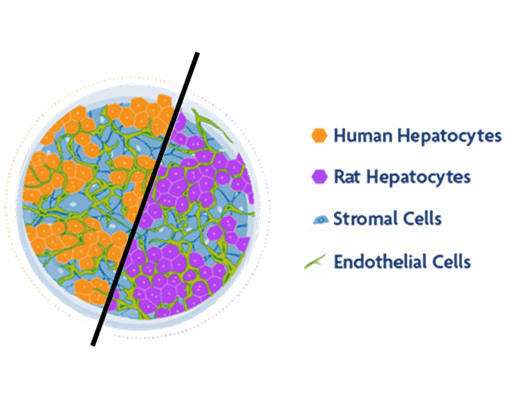
Advance thyroid hormone disruption research with our innovative human 3D thyrocyte model, developed in collaboration with the U.S. Environmental Protection Agency. Designed to replicate native thyroid structure and function, this human-relevant model enables longer-term studies and comprehensive assessment of key thyroid endpoints—including T3, T4, TG, TPO activity, and TSHR agonism/antagonism. Integration with our microphysiological system platform also supports evaluation of thyroid-liver interactions associated with metabolic disruption and thyroid-related pathologies.
Common Assays We Offer
Endocrine Disruption Assays
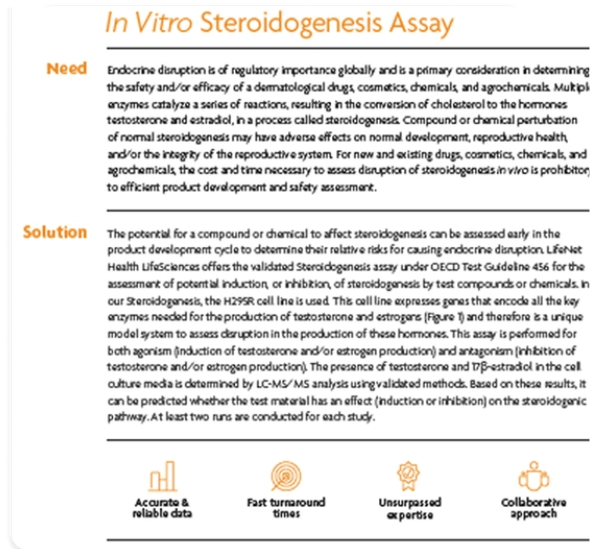
We offer a complete suite of assays to evaluate potential disruption of the endocrine system, including our 3D Thyroid Microtissue model for thyroid disrupting chemicals (TDCs). Analyzing potential disruptions in vitro ensures accurate prediction of the effects of compounds on the endocrine system of target species in vivo. Our team of expert scientists can help in identifying the relevant endpoints to measure and the appropriate cells and culture conditions to accurately determine effects on the endocrine system.
Why partner with LifeNet Health® LifeSciences for your endocrine disruption studies?
Our experienced team is committed to helping you identify and customize endocrine disruption assays that accurately assess your drug candidate using methods based on current regulatory guidelines.
Our expansive services portfolio includes standardized methods as well as advanced methodologies only available to our partners. Our ability to utilize directly sourced, high-quality tissues, cells, and cell models sets us apart, enabling assay results that more accurately reflect human biology.
Our assay services team is committed to providing high quality data with timely turnaround for research and regulatory submission requirements.



Expert regulatory
guidance

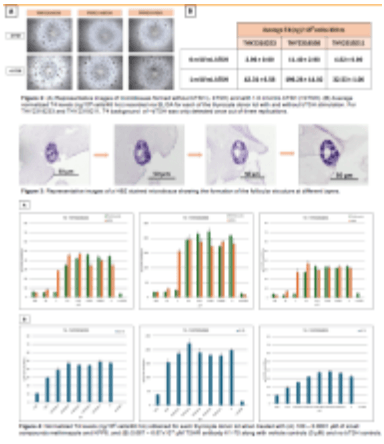
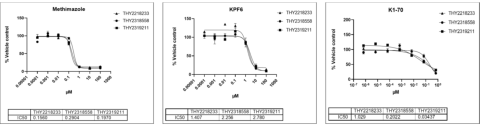
Identifying thyroid disrupting drugs or chemicals with an innovative human 3D thyroid microtissue model
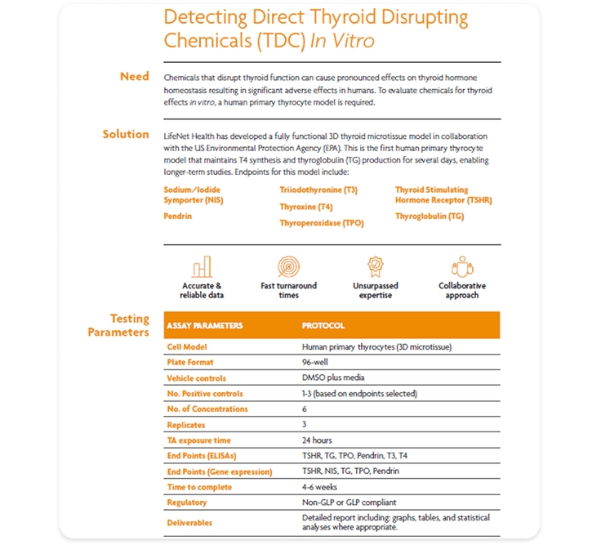
We are pleased to provide assessments of thyroid hormone disruption using an innovative human 3D thyrocyte model developed in collaboration with the US EPA. The thyrocytes recapitulate the structure and function of the thyroid gland when they form a 3D microtissue. The cells respond to the administration of thyroid stimulating hormone (TSH) by releasing T4. The cells in culture remain viable for several days which enables longer-term studies. Endpoints for this model include secretion of thyroxine (T4), thyroglobulin (TG), triiodothyronine (T3), thyroperoxidase activity (TPO), and TSHR agonism and antagonism.
The cells can be used in our microphysiological system platform to include thyroid-hormone events associated with liver metabolism which may lead to pathologies such as goiter and thyroid tumors.
3D Primary Human Thyroid Microtissues: An In Vitro Model for Studying Thyroid Hormone Disruption
Resources
Improving Confidence in Thyroid Hormone Disruption Assessment Using a Novel Human-Relevant In Vitro Model